

u glass detail
The Significance and Function of Metal Check Valves A metal check valve, a crucial component in various fluid control systems, plays an indispensable role in maintaining the unidirectional flow of fluids. This engineering marvel, often referred to as a non-return valve or one-way valve, is designed with a simple yet effective mechanism that prevents backflow, ensuring fluid dynamics remain in the intended direction. The term metal in metal check valve refers to its primary construction material. These valves are typically made from robust metals like stainless steel, brass, bronze, or cast iron, endowing them with exceptional durability and resistance to harsh conditions. They can withstand high pressure, temperature fluctuations, and corrosive fluids, making them ideal for use in industries such as oil and gas, chemical processing, power generation, and water supply systems. The functioning of a metal check valve is straightforward yet critical. It consists of a valve body, a disc, and a spring (in some designs). When fluid flows in the correct direction, it pushes the valve disc open, allowing passage. However, when the flow attempts to reverse, the valve disc, either due to its own weight or the assistance of a spring, closes promptly, obstructing the backflow. This mechanism safeguards pumps from damage, prevents contamination, and maintains system integrity. One of the key advantages of metal check valves is their compact design, which allows for easy integration into pipelines without occupying significant space One of the key advantages of metal check valves is their compact design, which allows for easy integration into pipelines without occupying significant space One of the key advantages of metal check valves is their compact design, which allows for easy integration into pipelines without occupying significant space One of the key advantages of metal check valves is their compact design, which allows for easy integration into pipelines without occupying significant space metal check valve . Moreover, their low maintenance requirements and long service life make them cost-effective solutions in the long run. However, selecting the right metal check valve for a specific application requires careful consideration. Factors such as fluid type, pressure, temperature, and flow rate must be taken into account. The wrong choice could lead to issues like valve failure, system inefficiency, or even damage. In conclusion, the metal check valve is a silent but vital worker in many industrial processes. Its role goes beyond just controlling fluid flow; it ensures safety, efficiency, and system stability. Understanding its operation and selecting the appropriate model is essential for optimal performance and longevity. As technology advances, so do these valves, with newer designs offering improved sealing, faster response times, and higher pressure ratings. Despite its simplicity, the metal check valve remains a fundamental piece in the complex puzzle of fluid dynamics, safeguarding countless systems worldwide.
about
u glass detail
Precision measurement in manufacturing requires specialized tools like micrometer set products, particularly when dealing with threaded components. The indicating micrometer and thread micrometer set offer distinct advantages for different measurement scenarios. This guide explores the key characteristics of these essential precision instruments. Precision Features of Micrometer Set Granite construction provides exceptional stability for micrometer set bases • Non-magnetic properties make indicating micrometer tools ideal for sensitive environments • Acid/alkali resistant materials ensure long-term thread micrometer set durability • Wear-resistant surfaces maintain micrometer set accuracy through extended use • Thermal stability prevents deformation in indicating micrometer components Product Name Height gauge granite base ratio measuring platform micrometer spial Dial gauge Material Granite Color nature Precision 00grade OEM yes Density 2970-3070kg/Cubic metre compressive strength 245-254N/m compressive strength less than 0.13% Coefficient of linear expansion 4.61*10-6/ degree Application Detection component Measuring Range Precision Grade Base Length Base width Base High Bar height Arm length 100*150mm 0.002 00 150 100 50 250 140 150*150mm 0.002 00 150 150 50 250 140 200*150mm 0.002 00 200 150 50 300 140 300*200mm 0.002 00 300 200 50 300 180 400*300mm 0.002 00 300 300 50 300 180 600*400mm 0.002 00 400 300 50 300 180 Technical Specifications of Thread Micrometer Set Measuring ranges tailored for various micrometer set applications • Resolution down to 0.001mm in premium indicating micrometer models • Parallelism accuracy within 0.002mm for thread micrometer set anvils • Hardened measuring faces on micrometer set for extended service life • Ratchet stop mechanisms ensure consistent indicating micrometer pressure Industrial Applications for Indicating Micrometer Quality control inspection using thread micrometer set precision • Machining process verification with micrometer set accuracy • Thread pitch measurement via specialized indicating micrometer tools • Workshop calibration standards employing thread micrometer set references • Research and development applications requiring micrometer set reliability Measurement Advantages of Thread Micrometer Set Direct thread measurement without calculations using micrometer set tools • Consistent results across multiple indicating micrometer operators • Rapid measurement capability with thread micrometer set efficiency • Comprehensive data collection using digital micrometer set models • Traceable accuracy standards for certified indicating micrometer instruments Maintenance Guidelines for Micrometer Set Regular cleaning of thread micrometer set measuring surfaces • Proper storage in protective cases for micrometer set longevity • Periodic calibration verification for indicating micrometer accuracy • Careful handling to prevent thread micrometer set damage • Environmental controls to maintain micrometer set performance Micrometer Set FAQS Q: How does a micrometer set differ from an indicating micrometer in measurement tasks? A: A micrometer set typically includes multiple types of micrometers (e.g., outside, inside) for various dimensional checks. In contrast, an indicating micrometer uses a dial or digital display to show minute measurement changes, often focusing on precision depth or thickness readings. Sets offer versatility, while indicating micrometers prioritize high-accuracy, real-time measurements. Q: When should I choose a thread micrometer set over a standard micrometer set? A: Select a thread micrometer set when measuring thread pitch diameters, crucial in machining, automotive, or plumbing. Its specialized anvils and spindles fit precisely into threads, ensuring accurate readings. A standard micrometer set , on the other hand, suits general-purpose linear measurements like length, width, or diameter of non-threaded components. Q: What maintenance is required for an indicating micrometer within a micrometer set? A: For an indicating micrometer in a set, regularly clean the measuring surfaces with a lint-free cloth to remove debris. Check the calibration annually using a gauge block, as its sensitive dial or digital mechanism can drift over time. Avoid dropping the tool, as impact may misalign the indicator, compromising accuracy across the entire micrometer set . Q: Can a thread micrometer set measure different thread types? A: Yes, many thread micrometer sets come with interchangeable measuring heads to accommodate various thread profiles (e.g., metric, imperial, Acme). However, ensure the set matches your specific thread type’s pitch and angle requirements. If unsure, consult the manufacturer’s guide or opt for a universal set that covers common industrial threads. Q: How do I ensure accuracy when using a micrometer set that includes an indicating micrometer and thread micrometer set? A: Before use, calibrate each micrometer against a known standard. When measuring, apply consistent measuring force—too much can distort readings, too little may yield inaccurate results. For thread micrometers , align the anvils precisely with the thread flanks. For indicating micrometers , zero the dial or display at the start. Regularly check and maintain all components within the micrometer set to uphold long-term accuracy. Welcome to Storaen Machinery – Where Precision Forges the Future,Nestled in Botou, China’s ancient casting capital, Storaen (Cangzhou) International Trading Co. blends 2,000 years of metallurgical heritage with cutting-edge engineering. We’re not just manufacturers—we’re architects of industrial reliability, crafting cast iron welding platforms, precision measuring tools, and gauges that define accuracy for global industries. Our portfolio is a testament to innovation: from granite inspection blocks with HS70+ hardness to digital micrometer sets that measure down to 1μm. Every product carries the Botou legacy—cast in premium alloys, ground to 00-grade flatness, and tested through 27 quality checks. But our edge isn’t just in metal—it’s in mindset. We turn client challenges into custom solutions, whether a aerospace-grade parallel ruler or a factory-scale welding platform. Sustainability runs through our forges: recycled materials, energy-efficient casting, and a carbon-neutral supply chain. Join partners in 46 countries who trust us to power their precision. Explore www.strmachinery.com to discover how 21st-century tech meets timeless craftsmanship. Let’s shape the future—one micron at a time.
-

High quality industrial productsagement

High quality industrial products
View Details -

Meet the diverse needs of customers

Meet the diverse needs of customers
View Details -

Strict quality control

Strict quality control
View Details -

Top raw materials

Top raw materials
View Details -

Trusted supplier

Trusted supplier
View Details
Our application


news and information

Valvola a sfera 150 per applicazioni industriali e residenziali di alta qualità
Valvole a Sfera Il Cuore della Regolazione nei Sistemi Idraulici Le valvole a sfera, o globe valve i
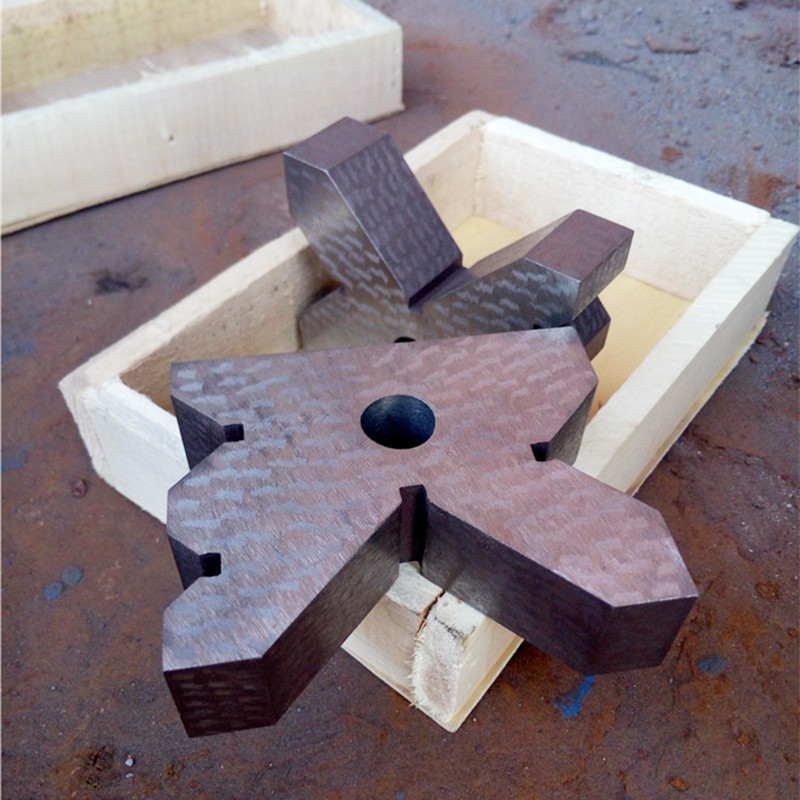
Versatile Clamps for Effective Fabrication Table Applications and Projects
Fabrication Table Clamps Essential Tools for Precision in Manufacturing In the realm of manufacturin
Válvula de compuerta de 500 mm para aplicaciones industriales y sistemas de tuberías
Válvula de compuerta de 500 mm Importancia y Aplicaciones La válvula de compuerta es un dispositivo
 English